



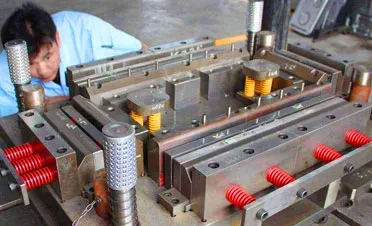

what is automotive stamping
what is automotive stamping
The Significance of Stamping in the Production of Automotive Parts In the world of automotive manufacturing, precision and efficiency are paramount, and stamping technology has emerged as a cornerstone in the production of critical automotive components. Stamping involves the use of dies and presses to convert flat metal sheets into specific shapes and forms, allowing manufacturers to create intricate parts that are essential for vehicle assembly. This article explores the significance of stamping in the automotive industry, the advantages it offers, and its implications for sustainability and innovation. Understanding Stamping Technology Stamping is a process that includes various techniques such as blanking, punching, bending, and forming. The process begins with large rolls of metal sheets, usually made from materials like steel, aluminum, or other alloys. The sheets are fed into a stamping press, where they are shaped by high forces applied through specially crafted dies. The ability to replicate complex designs consistently makes stamping an ideal choice for producing automotive components ranging from body panels to structural elements and engine parts. Advantages of Stamping in Automotive Manufacturing 1. High Precision and Repeatability One of the most significant benefits of stamping is its ability to produce parts that meet tight tolerance specifications. The precision achieved through stamping ensures that parts fit together seamlessly, which is crucial in maintaining the integrity and safety of the vehicle. 2. Cost-Effectiveness Stamping is an efficient process, especially for high-volume production. Once the initial investment in dies and presses is made, the cost per part decreases significantly with scale. This cost efficiency enables manufacturers to maximize profitability while offering competitive pricing in the market. 3. Material Efficiency Stamping minimizes waste by utilizing large sheets of metal and achieving tight nesting of parts. Advanced software in the design phase optimizes layouts, ensuring that the maximum amount of material is used, which is critical in today’s environmentally conscious manufacturing landscape. 4. Versatility Stamping is versatile and adaptable, able to accommodate a wide range of materials and part designs. Whether it’s lightweight materials for fuel-efficient vehicles or robust components for electric cars, stamping can be tailored to meet varying demands. stamping automotive parts 5. Enhanced Production Speed The high-speed nature of modern stamping presses allows manufacturers to produce large quantities of parts in a short time frame. This rapid turnaround is essential in the automotive industry, where time-to-market can significantly influence a company’s competitive edge. Implications for Sustainability As the automotive industry moves towards greener practices, stamping technology contributes notably to sustainability efforts. By reducing material waste and enabling recycling, stamping fits into the circular economy model that many manufacturers are now embracing. Additionally, advancements in stamping methods, such as the development of lightweight materials, help in reducing vehicle weight and improving fuel efficiency, further supporting environmental goals. Paving the Way for Innovation The evolution of stamping technology continues to drive innovation within the automotive sector. With the rise of electric vehicles and autonomous driving technologies, manufacturers are seeking new ways to incorporate advanced materials and designs into their products. Stamping plays a crucial role in enabling this evolution by allowing for complex geometries and lightweight structures that are essential for the future of mobility. Furthermore, the integration of automation and robotics into stamping processes enhances production efficiency and safety. Automated systems can handle repetitive tasks, reducing human error and improving overall productivity. As manufacturers invest in Industry 4.0 technologies, stamping will continue to adapt, ensuring the automotive sector remains agile and responsive to changing market demands. Conclusion In summary, stamping is an indispensable technology in the fabrication of automotive parts, offering numerous advantages such as precision, cost-effectiveness, and material efficiency. As the automotive industry evolves, the role of stamping will only grow in importance, supporting sustainability initiatives and facilitating innovation. As manufacturers navigate the challenges and opportunities of the future, stamping technology will remain a vital component in producing the vehicles of tomorrow.
-
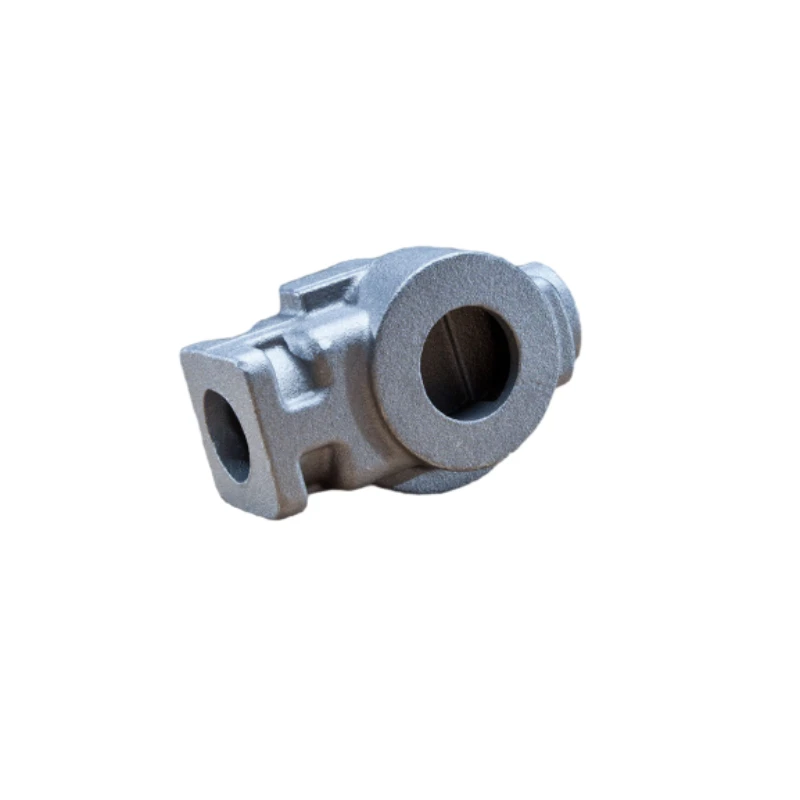 2026-06-15 16:13Precision Metal Stamping Components for Various Industrial ApplicationsUnderstanding Sheet Metal Stamping Parts An Overview Sheet metal stamping is a vital manufacturing process that involves shaping and forming metal sheets into predetermined designs or parts. This technique is widely employed in various industries, including automotive, aerospace, electronics, and construction. The significance of sheet metal stamping parts lies in their ability to produce complex
 -
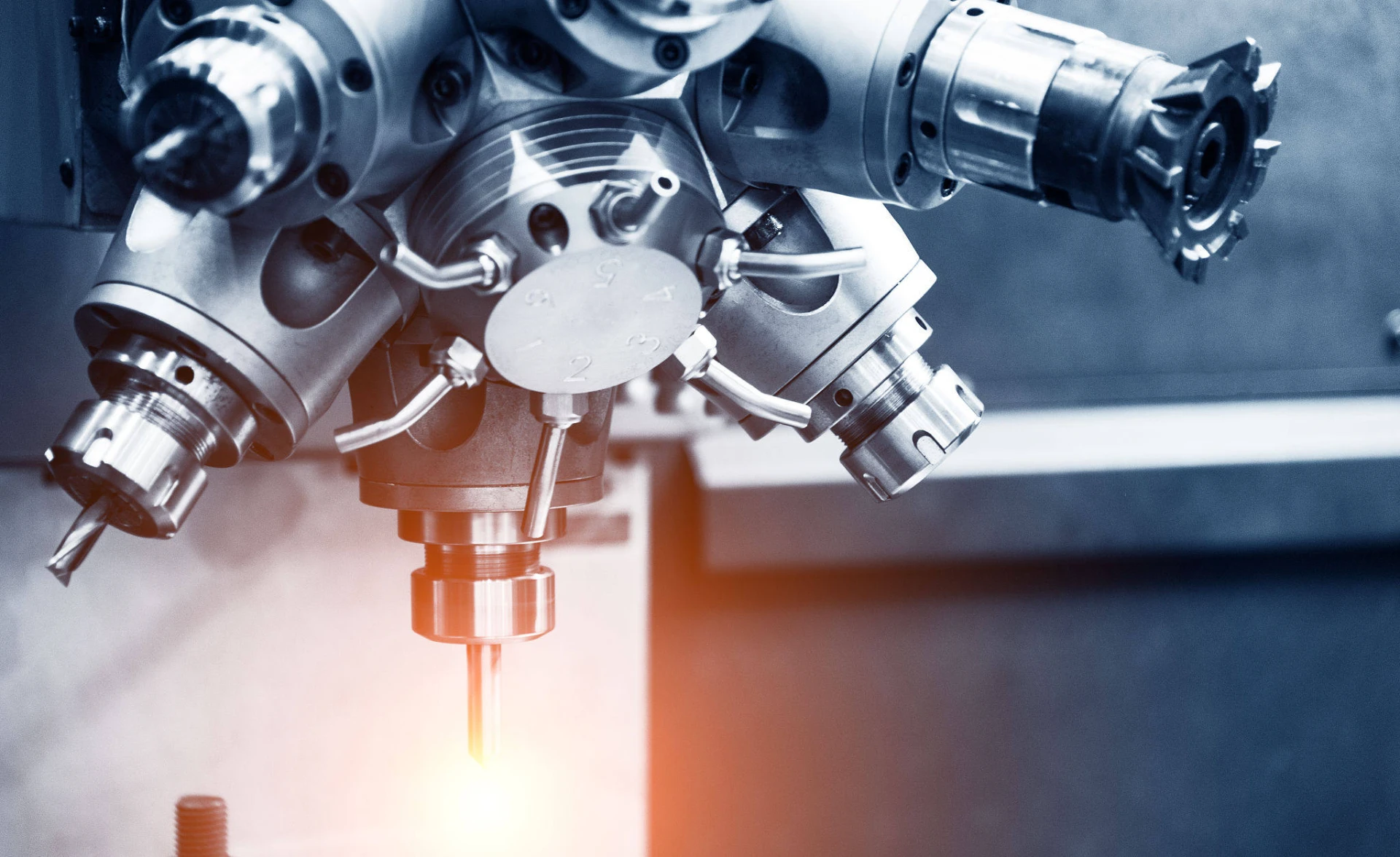 2026-06-15 15:52Pros & Cons of Sand Casting: Products & ApplicationsStrategic Insights into Sand Casting for Industrial Applications In the intricate landscape of industrial manufacturing, selecting the optimal production methodology is paramount for ensuring both cost-efficiency and product integrity. Sand casting, an ancient yet continually refined metallurgical process, stands as a cornerstone in producing a vast array of components for diverse sectors. This me
 -
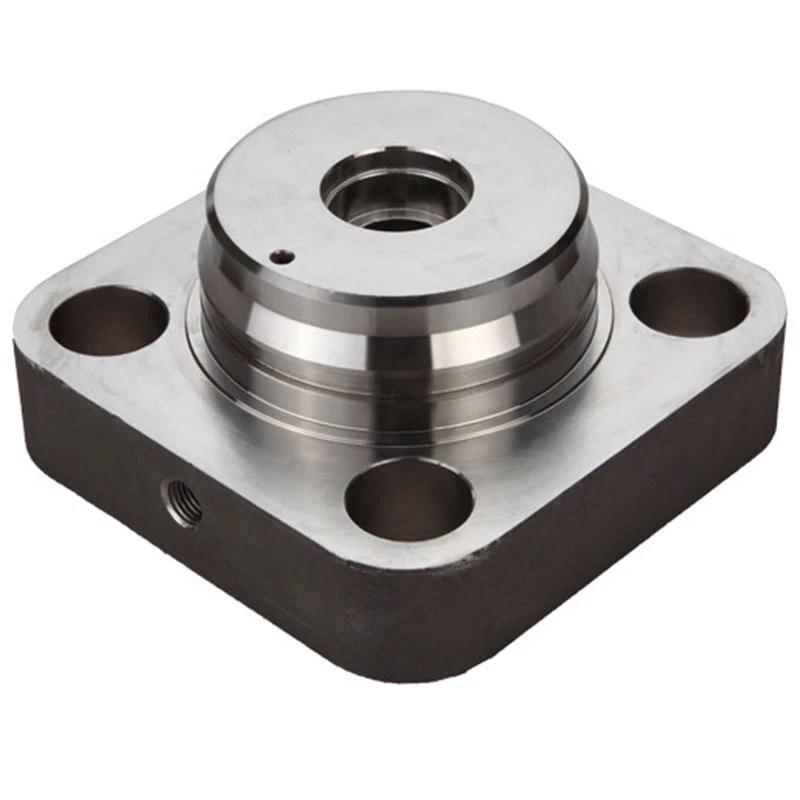 2026-06-15 15:42taylor sand castingThe Art and Science of Taylor Sand Casting Sand casting, one of the oldest metal casting techniques known to humanity, has evolved through the ages but remains a key process in manufacturing across various industries. Among the many methods of sand casting, Taylor sand casting has emerged as a significant player, combining traditional methods with modern advancements in technology. What is Taylor
 -
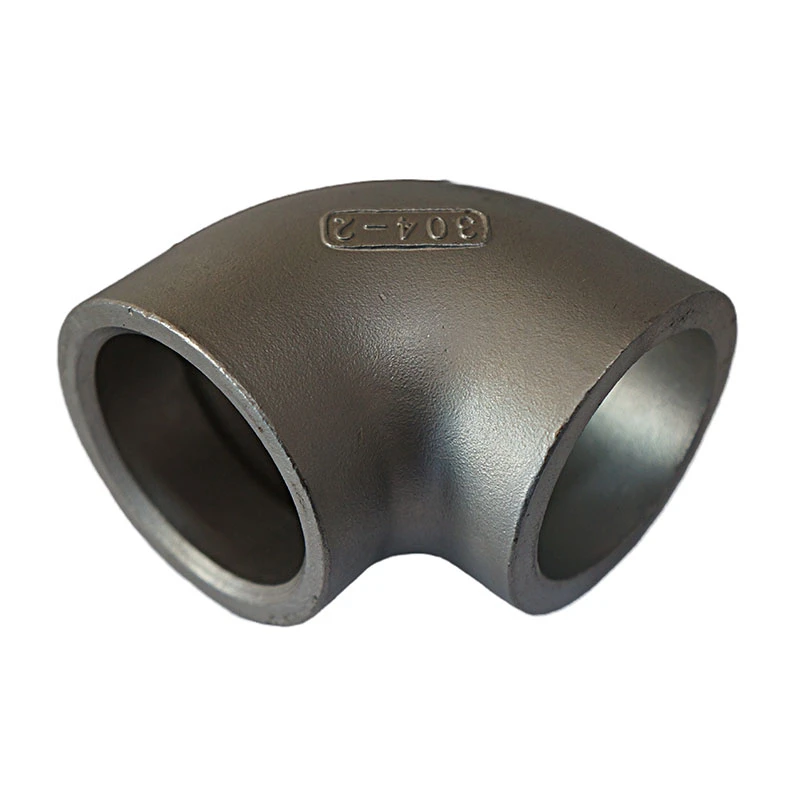 2026-06-15 15:02Understanding the Process and Benefits of Sand Casting Metal TechniquesSand Casting Metal An Overview of the Process and Its Applications Sand casting, one of the oldest and most versatile metal fabrication processes, has remained a cornerstone in metalworking. Originating thousands of years ago, this method of casting metal is characterized by its simplicity and efficiency, making it a favored choice across various industries today. The essence of sand casting lies
 -
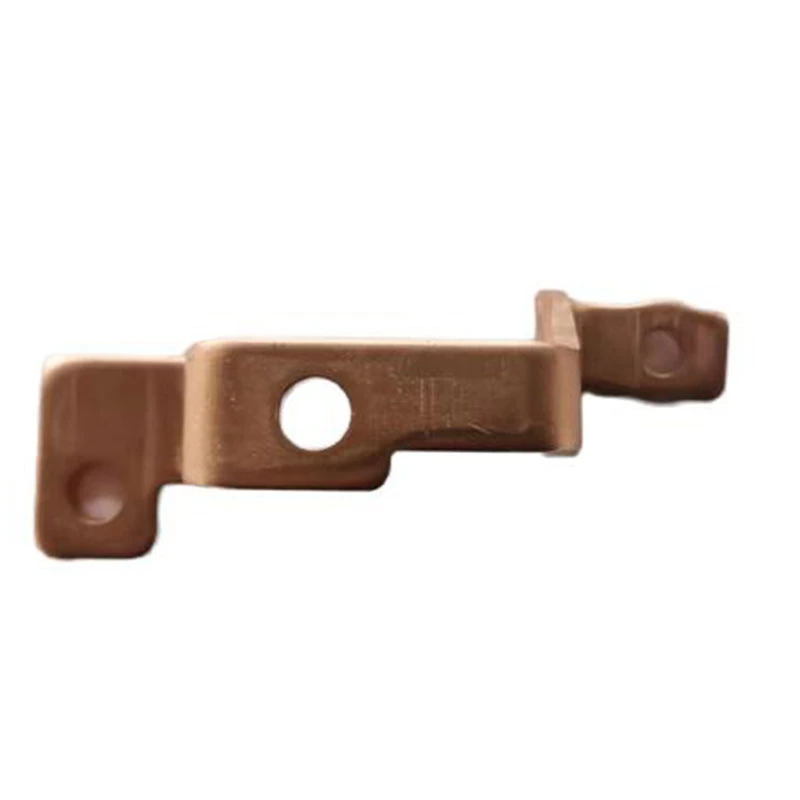 2026-06-15 14:56twin city diecastExploring the World of Twin City Diecast A Collector's Paradise In the ever-evolving realm of collectibles, diecast models hold a special place in the hearts of hobbyists and collectors alike. One name that stands out prominently in this niche is Twin City Diecast. Established as a haven for enthusiasts, Twin City Diecast offers an extensive selection of diecast vehicles that capture the essence o